Cracking the Code: How to Select the Perfect Leisure Battery Size for Your Motorhome
A guest article by David Murden of OMC Motorhomes
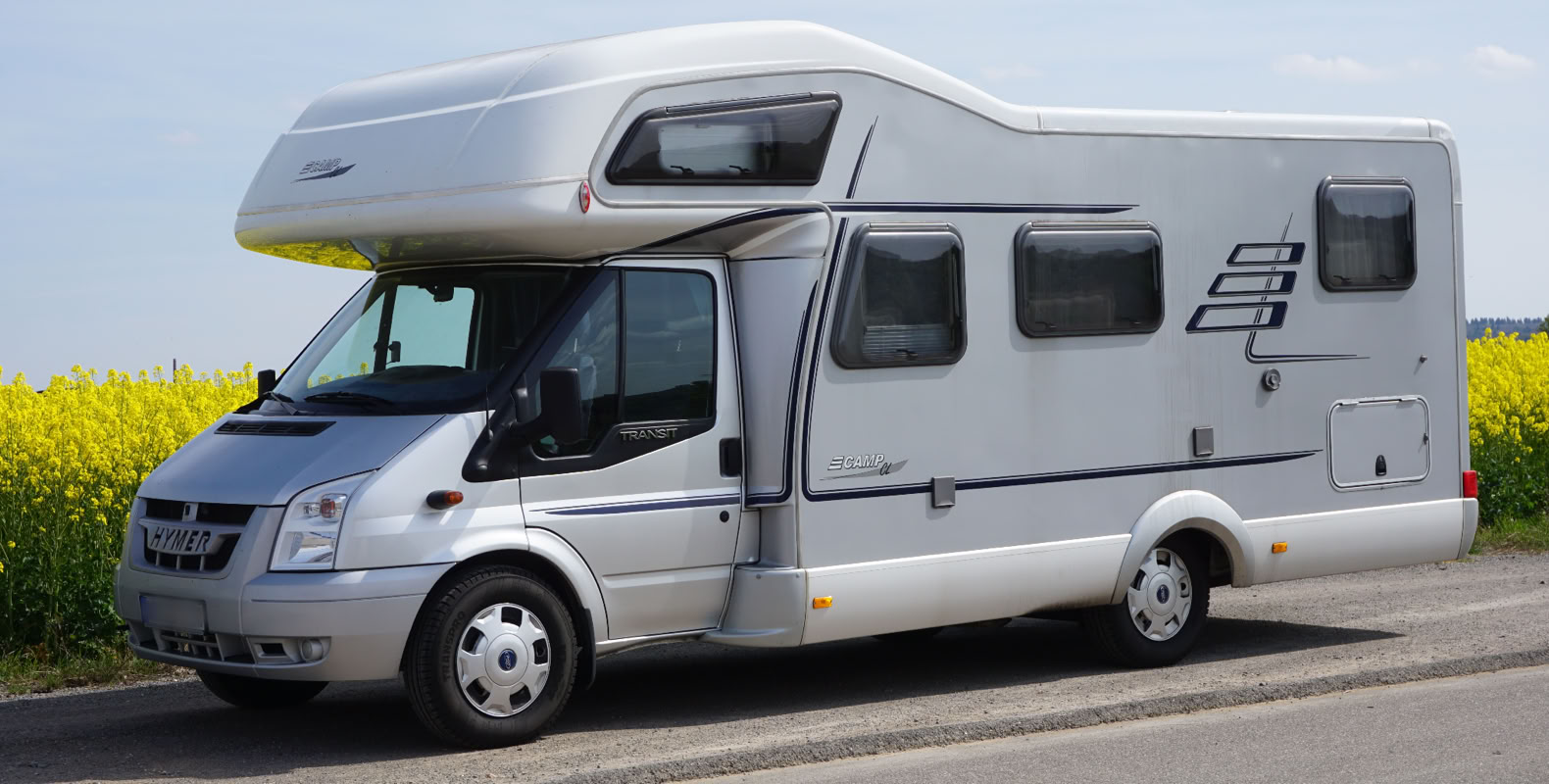
On the open road, the tranquility of the wilderness or the hustle and bustle of an urban setting, your motorhome is your mobile sanctuary. Yet, for all the freedom it offers, one component is crucial to its smooth running — the leisure battery. But the question is, how does one decide the perfect leisure battery size for a motorhome? This article aims to provide you with an exhaustive guide to help you make an informed decision.
Understanding the Concept: What is a Leisure Battery?
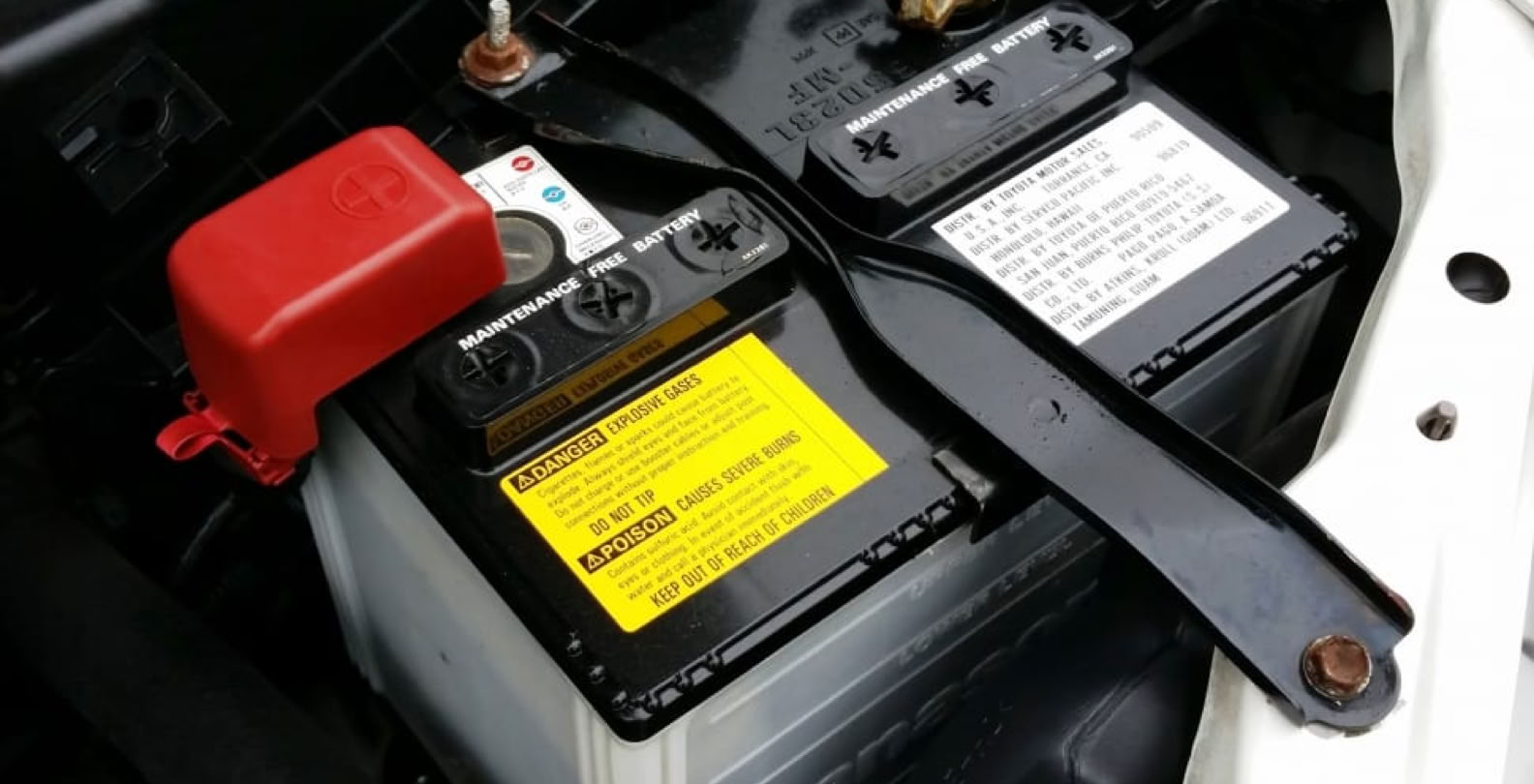
A leisure battery, often referred to as a deep cycle battery, is an essential component of any motorhome. It is specifically designed to provide a steady amount of current over a prolonged period, powering all the onboard appliances like lights, refrigerators, and even televisions when you're off-grid or not connected to the main power supply.
Factors Influencing the Choice of Leisure Battery Size
So, what is the best leisure battery for a Motorhome? Several considerations will influence the size of the leisure battery you should opt for your motorhome. Remember, the perfect fit isn't just about physical dimensions, but also about the battery's capacity to meet what is the best leisure battery for your Motorhome needs.
Power Requirements
Understanding your power requirements is the first step towards selecting the right leisure battery size. This involves determining the amount of power (measured in amp-hours) your appliances use and how often you use them. You need to account for everything from lighting, fridge, television, to water pumps and more.
Tips for calculating power requirements:
Make a list of all your appliances
Identify their power rating (usually mentioned in watts)
Convert this rating to amp-hours
Multiply it by the number of hours you use the appliance
Duration of Off-grid Stays
The length of your off-grid stays is another critical factor. Longer stays away from mains power will require larger leisure batteries to cater to your power needs.
Charging Opportunities
Leisure batteries require regular charging to ensure longevity and reliability. If you frequently access mains power or have a solar power system in place, you might get by with a smaller battery. Conversely, infrequent charging opportunities might necessitate a larger battery.
Space and Weight Constraints
Physical size and weight are practical considerations. Motorhomes have limits on the amount of weight they can safely carry, and batteries can be heavy. Also, batteries need dedicated, ventilated space for safety reasons.
Recommended Leisure Battery Sizes
To provide a rough guide, here are some general leisure battery size recommendations based on the type of motorhome and typical usage.
Small Motorhomes and Campervans
For small motorhomes and campervans that are used occasionally for short trips, a leisure battery size between 85Ah to 110Ah would typically suffice.
Medium Sized Motorhomes
Medium-sized motorhomes that are used more frequently or for longer trips may require a larger leisure battery, something in the range of 110Ah to 130Ah.
Large Motorhomes and RVs
Large motorhomes, particularly those with multiple occupants or luxury appliances, may require even larger leisure batteries. In this case, consider options that exceed 130Ah, or even multiple batteries.
Remember, these are just recommendations. Your specific requirements may vary, and it's always best to err on the side of caution by opting for a slightly larger battery than you think you'll need.
How to Prolong the Life of Your Leisure Battery
After investing time and resources into choosing the perfect leisure battery for your motorhome, you'd want to ensure its longevity. Here are some useful tips and best practices to help prolong your leisure battery's life.
Regular Charging
One of the most important things you can do to prolong your leisure battery's lifespan is to keep it regularly charged. A fully charged battery is less likely to sulfate, a process that can permanently damage the battery.
Best practices for regular charging:
Use a smart charger that prevents overcharging
If using solar panels, ensure they provide enough power for a complete charge
Remember, regular charging is necessary even when the motorhome is not in use
Avoid Deep Discharge
Leisure batteries are designed to provide a steady current over a long period. However, this doesn't mean they should be deeply discharged. It's best to avoid draining leisure batteriesmore than 50% of the battery's capacity.
Correct Installation
Correct installation is crucial for battery safety and longevity. This includes ensuring the battery is well-ventilated and secure.
Periodic Maintenance
While most leisure batteries are maintenance-free, it's still good practice to periodically check your battery. This includes inspecting for any visible damages, ensuring connections are clean and secure, and in the case of non-sealed batteries, checking electrolyte levels.
The Pros and Cons of Different Types of Leisure Batteries
When choosing a leisure battery size for your motorhome, it's worth considering the different types available. Each type has its pros and cons that might influence your decision.
Lead Acid Batteries
Lead acid batteries are the traditional choice for leisure batteries, known for their affordability and widespread availability.
Pros:
Affordable
Widely available
Easy to recycle
Cons:
Require regular maintenance
Heavier than other types
Lower depth of discharge
AGM Batteries
Absorbent Glass Mat (AGM) batteries are a type of sealed lead-acid battery. They are more expensive than traditional lead-acid batteries but offer several advantages.
Pros:
Maintenance-free
More resistant to vibration and shock
Higher depth of discharge
Cons:
More expensive than lead-acid batteries
Still relatively heavy
Lithium-ion Batteries
Lithium-ion batteries are the newest type of leisure battery. They offer numerous advantages but come at a significantly higher cost.
Pros:
Lightweight
High depth of discharge
Long lifespan
Cons:
Very expensive
Require specific chargers
Conclusion
Choosing the right leisure battery size for your motorhome and maintaining it properly can significantly improve your motorhome experience. It's a delicate balance between understanding your specific power requirements and the practicalities of space, weight, and cost. But with careful planning and consideration, you can ensure a reliable power supply for your motorhome adventures. No matter the choice you make, remember the open road is calling, and a well-charged leisure battery is the key to answering that call.